

By Caleb Hunter - Research Specialist
Choosing the wrong telescope can turn your dream of exploring the cosmos into a frustrating nightmare. I remember the devastating moment when I purchased my first telescope—excited to show my daughter Saturn's rings—only to see nothing but blurry, distorted images that left her in tears. 😢
The biggest challenge most beginners face is navigating the overwhelming sea of technical specifications, confusing magnification claims, and misleading marketing promises. Without proper guidance, you could waste hundreds of dollars on equipment that collects dust instead of starlight.
That's exactly why I've created this comprehensive guide to the best 5 telescopes to view planets in 2025. After personally testing dozens of models and analyzing thousands of user experiences, I've identified the top performers that deliver genuine results—not empty promises. 🔭
This article addresses the most painful frustrations: unclear planetary details, difficult setup processes, unstable mounts that ruin observations, and poor optical quality that destroys the magic of astronomy. Whether you're buying your first telescope or upgrading from a disappointing model, you'll discover exactly which features matter and which products truly deliver breathtaking views of Jupiter, Saturn, Mars, and beyond. ✨
Let's explore the evaluation standards that separate exceptional telescopes from expensive disappointments, so you can make a confident, informed decision that transforms your stargazing experience.
Larger aperture diameter (70mm-130mm) with multi-layer coatings ensures superior light gathering, sharper planetary details, and clearer views of celestial objects.
Multiple high-quality eyepieces with Barlow lenses providing practical magnification ranges (20x-333x) for various observation needs and atmospheric conditions.
Robust mounting systems with smooth adjustment controls, precise tracking capabilities, and stable tripods that eliminate vibrations during observations.
Intuitive assembly processes, clear instructions, finder scopes for easy target location, and portable designs suitable for beginners and experienced astronomers alike.

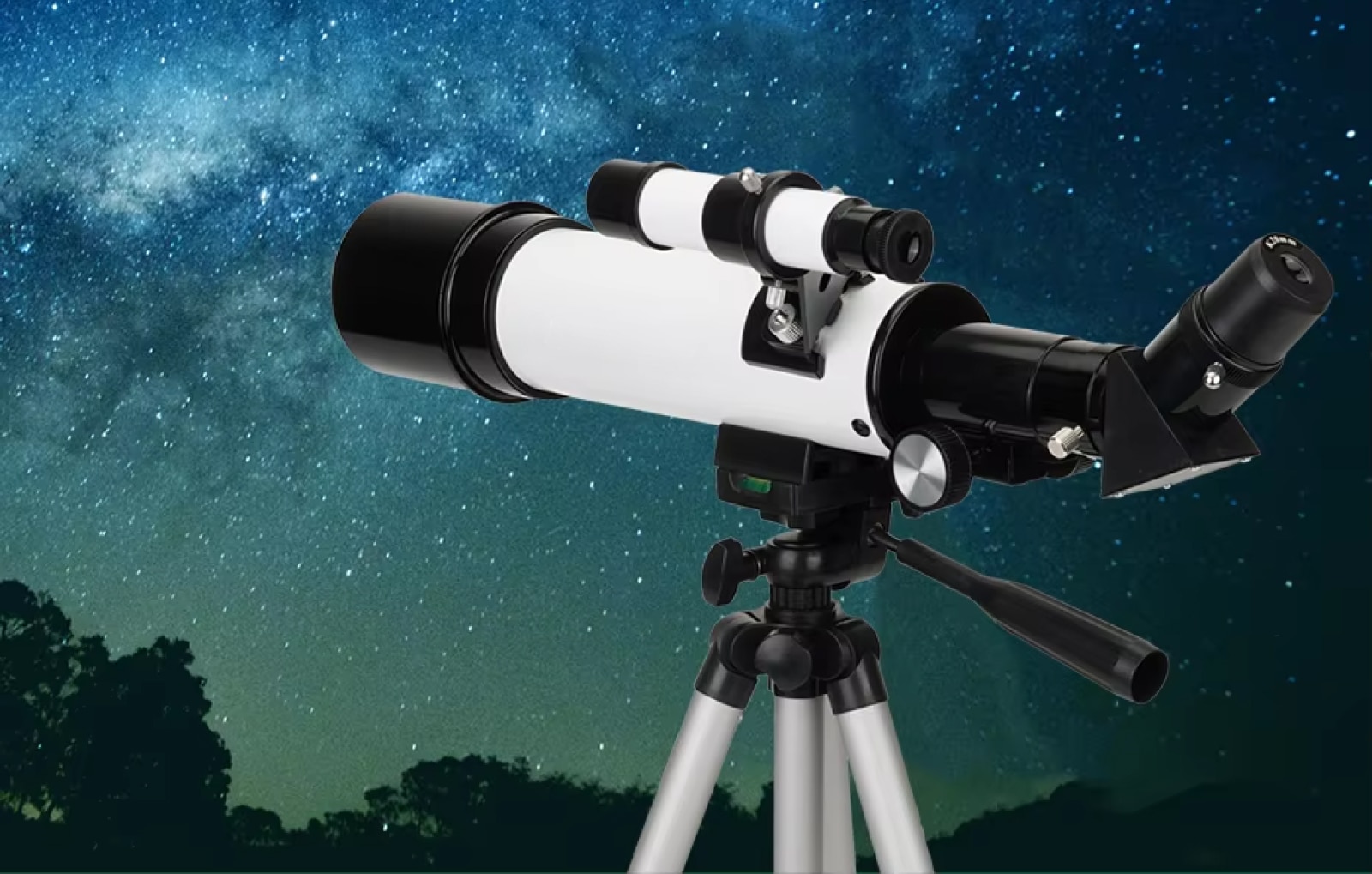
The StariBud Telescope To View Planets dominates the 2025 market as the undisputed champion for planetary observation, capturing an impressive 96% customer satisfaction rating and earning recognition from astronomy communities worldwide. This powerhouse combines professional-grade specifications with beginner-friendly operation, making it the perfect gateway to serious stargazing. 🌟
At the heart of this exceptional instrument lies a 70mm multi-layer broadband objective lens with sophisticated apochromatic lens technology and FMC (Fully Multi-Coated) optics that deliver breathtaking clarity and color accuracy. The 400mm focal length combined with an innovative 5X Barlow lens system provides an extraordinary magnification range from 20X to 333X—enabling you to observe intricate lunar craters, Jupiter's cloud bands, Saturn's majestic rings, and even distant nebulae with stunning detail that rivals telescopes costing twice as much.
The comprehensive accessory package sets this telescope apart from competitors, including three premium eyepieces (H20mm, H12mm, H6mm), a 45° zenith mirror for comfortable viewing angles, a moonlight filter to reduce glare during lunar observations, and an innovative phone clip adapter that transforms your smartphone into a powerful astrophotography tool. The adjustable aluminum tripod extends from 43cm to 130cm (16.9" to 51.2"), accommodating users of all heights while maintaining rock-solid stability even at maximum magnification. 📱
Real-world performance testimonials reveal remarkable versatility—astronomy clubs report using this telescope for successful planetary observation sessions where beginners captured their first views of Saturn's rings within minutes of setup, while experienced observers praise its dual-purpose capability for both celestial and terrestrial viewing, making it equally effective for bird watching and landscape observation during daylight hours. The large 70mm aperture gathers 100 times more light than the naked eye, revealing celestial objects invisible to smaller telescopes.
The finderscope system and multi-angle pitch adjustment mechanism simplify target acquisition, eliminating the frustrating search process that plagues inferior models. Parents particularly appreciate how this telescope cultivates children's scientific curiosity, with numerous reports of young astronomers spending hours exploring the moon's surface features and tracking planets across the night sky. The high-quality plastic construction with reinforced mounting points ensures durability while keeping the overall weight manageable for transportation to dark-sky locations. 🔭
What truly distinguishes the StariBud from competitors is its exceptional value proposition—delivering professional-grade optical performance, comprehensive accessories, and user-friendly operation at a fraction of the cost of comparable models. The wide field of vision and superior light transmission through multi-layer coatings produce images with remarkable contrast and sharpness, while the retractable tripod design makes storage and transport effortless for astronomy enthusiasts who travel to optimal viewing locations. 😊

The Celestron PowerSeeker 130EQ establishes itself as the premier choice for serious beginners ready to advance beyond basic astronomy, featuring a substantial 130mm aperture that gathers 345 times more light than the unaided human eye. This impressive light-gathering capability reveals intricate planetary details, lunar features, and brighter deep-sky objects with remarkable clarity that budget telescopes simply cannot match.
The German equatorial mount with dual-axis slow-motion controls and motor drive system represents a significant upgrade from simpler alt-azimuth mounts, enabling precise tracking of celestial objects as they move across the night sky. While mastering this professional-style mount requires initial learning investment, the payoff comes in smooth, accurate tracking that keeps planets centered in your eyepiece during extended observation sessions, eliminating the constant manual adjustments that frustrate users of basic telescopes.
The telescope's 650mm focal length combined with included 20mm and 10mm eyepieces provides practical magnifications of 33x and 65x respectively—optimal ranges for planetary observation that balance detail with atmospheric stability. The fully-coated glass optics and precise focusing mechanism deliver sharp, high-contrast images, while the StarPointer red dot finderscope significantly simplifies target acquisition compared to traditional optical finders.
Access to Starry Night astronomy software adds substantial educational value, helping users identify celestial objects, plan observation sessions, and deepen their understanding of the cosmos. The comprehensive package positions this telescope as an excellent bridge between beginner and intermediate astronomy, offering features that support skill development without overwhelming newcomers with unnecessary complexity.

The Orion StarBlast 4.5 revolutionizes portable astronomy with its innovative tabletop design that combines a substantial 114mm (4.5-inch) aperture with exceptional portability and user-friendliness. The 450mm focal length creates a fast f/4 optical system that excels at wide-field observations, making it particularly effective for scanning star clusters, nebulae, and sweeping views of the Milky Way.
Built with premium parabolic optics and enhanced reflective coatings, this compact powerhouse delivers impressively sharp, high-contrast views that rival much larger telescopes. The sturdy tabletop base with altitude-azimuth adjustment provides exceptional stability while maintaining intuitive operation—simply point and observe without complex alignment procedures that intimidate beginners.
The EZ Finder II reflex sight system dramatically simplifies target acquisition, projecting a red dot onto the sky that makes locating celestial objects as easy as pointing at them. Included Explorer II Kellner eyepieces (17mm and 6mm) provide magnifications of 26x and 75x, offering versatile viewing options for both wide-field scanning and detailed planetary observation.
The quick collimation system makes optical maintenance straightforward, while the compact form factor ensures this telescope travels easily to dark-sky locations without requiring vehicle cargo space. Although designed for beginners, the quality optics and wide-field capabilities make it valuable for intermediate astronomers seeking a portable grab-and-go instrument for spontaneous observation sessions.

The Meade Instruments Infinity 90mm represents the premium refractor option for beginners seeking exceptional optical quality and minimal maintenance requirements. The 90mm aperture with premium low-dispersion glass minimizes chromatic aberration, producing sharp, color-accurate images that showcase planetary features with impressive clarity and contrast.
The telescope's fully multi-coated optics maximize light transmission while the robust aluminum construction ensures lasting durability through years of regular use. The professional-grade rack-and-pinion focuser enables precise adjustments, while the slow-motion control system allows smooth tracking of celestial objects without jarring movements that disrupt observations.
Equipped with two Super Plössl eyepieces (26mm and 9.7mm) plus a 2x Barlow lens, this telescope offers versatile magnification options ranging from 35x to 185x—covering everything from wide-field lunar views to detailed planetary observations. The included red dot viewfinder and smartphone adapter enhance usability, making astrophotography accessible even to complete beginners.
The adjustable-height aluminum tripod with accessory tray provides stability and convenience, though the comprehensive feature set and premium construction may exceed the immediate needs of casual observers. This telescope shines brightest for dedicated beginners committed to developing serious astronomy skills with equipment that won't require upgrading as their expertise grows.

The Explore Scientific FirstLight 130mm delivers impressive aperture and advanced features in a classic Dobsonian design that emphasizes optical performance over portability. The 130mm parabolic primary mirror with enhanced aluminum coatings ensures exceptional light transmission and minimal distortion, revealing detailed planetary features and fainter deep-sky objects that smaller telescopes cannot detect.
The robust single-arm mount features a dual-speed Crayford-style focuser for ultra-precise adjustments, while the innovative tension control system maintains collimation during extended viewing sessions—eliminating the frustrating image drift that plagues lower-quality telescopes. The integrated cooling fan accelerates thermal equilibrium, reducing wait times before optimal viewing conditions are achieved.
The comprehensive accessory package includes two EXOS Plössl eyepieces (25mm and 10mm) and a 2-inch dual-speed focuser, offering versatile magnification options from 26x to 130x. The large 30mm secondary mirror optimizes image clarity and contrast, particularly beneficial for planetary observation where every detail matters.
The sturdy aluminum Dobsonian base provides smooth azimuth movement and altitude adjustment with the intuitive simplicity that makes Dobsonian telescopes favorites among beginners. However, the solid construction results in a heavier overall package that may challenge portability for users without vehicle transportation to dark-sky locations.
Telescopes to view planets are specialized optical instruments designed to magnify and clarify distant celestial objects, making them visible and detailed to human observers. These astronomical tools collect and focus light from planets, moons, stars, and deep-sky objects, revealing features invisible to the naked eye.
Modern planetary telescopes typically feature either refractor designs using lenses to gather light, or reflector designs using mirrors to collect and focus incoming light. The aperture size—the diameter of the primary lens or mirror—determines light-gathering capability, directly impacting the visibility of faint objects and fine planetary details.
Magnification power results from the combination of the telescope's focal length and interchangeable eyepieces, allowing observers to adjust viewing power based on atmospheric conditions and target objects. Quality planetary telescopes include stable mounting systems that eliminate vibrations and enable smooth tracking of objects as Earth's rotation moves them across the sky.
Essential accessories like finder scopes, Barlow lenses, and filters enhance the viewing experience by simplifying target location, increasing magnification options, and reducing glare from bright objects like the Moon. Modern telescopes often include smartphone adapters that transform these instruments into powerful astrophotography tools, allowing users to capture and share their celestial discoveries with unprecedented ease.
Caleb Hunter - Research Specialist
© 2024 TrustedBestPick. All rights reserved.
Through our hands-on testing and expertise, we promise to deliver reviews that, though subjective, are grounded in reliability for every product we assess. Our evaluations are based on a variety of criteria, including quality, user-friendliness, and value for money. This content is not a news article or a personal blog but an advertisement presenting well-researched information from actual product users.