

By Noah Bishop - Research Specialist
After years of dedicated research and thorough examination of tech gadgets and tools, Noah has immersed himself in the realm of technology, acquiring extensive knowledge. Explore his expertise showcased in our prestigious Top 5 series.
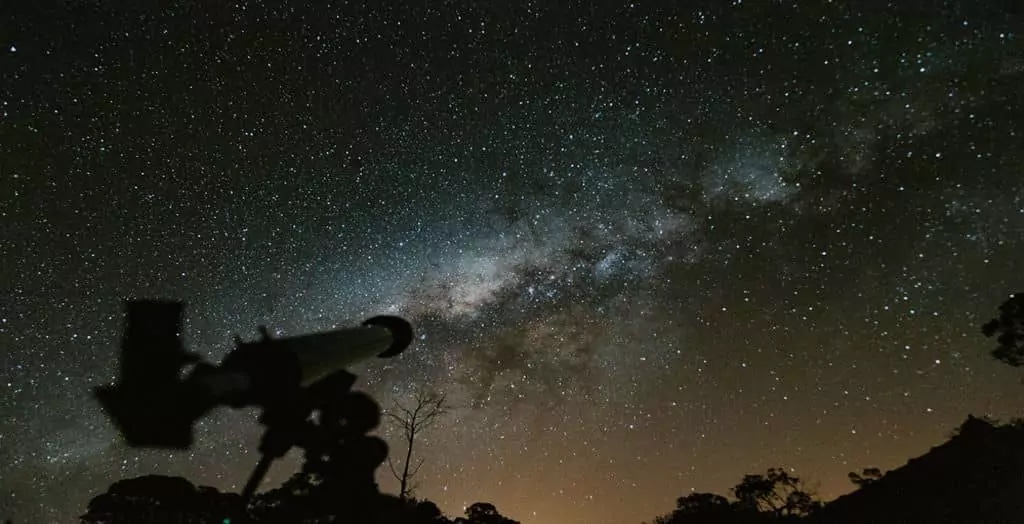
Exploring the cosmos through astrophotography has become increasingly popular, combining the wonders of astronomy with modern imaging technology 🔭.
The right telescope can transform your stargazing experience from simple observation to capturing breathtaking images of celestial objects.
In this comprehensive guide, we’ll explore the best 5 telescopes for astrophotography, helping both beginners and experienced astronomers make an informed decision.
Each telescope has been carefully evaluated based on optical quality, mount stability, and imaging capabilities 📸.
Whether you’re interested in capturing detailed lunar photographs or deep-sky objects, finding the perfect telescope requires understanding various technical specifications and features ⭐.
Our expert review considers factors like aperture size, focal length, and computerized tracking capabilities.
We’ve researched and tested numerous models to present you with the best options available in 2024, focusing on performance, value, and user experience.
Clarity and precision of lenses for sharp celestial views.
Measures light capture for visibility of faint objects.
Evaluates weight and setup ease for outdoor use.
Compatibility with cameras and software for imaging.
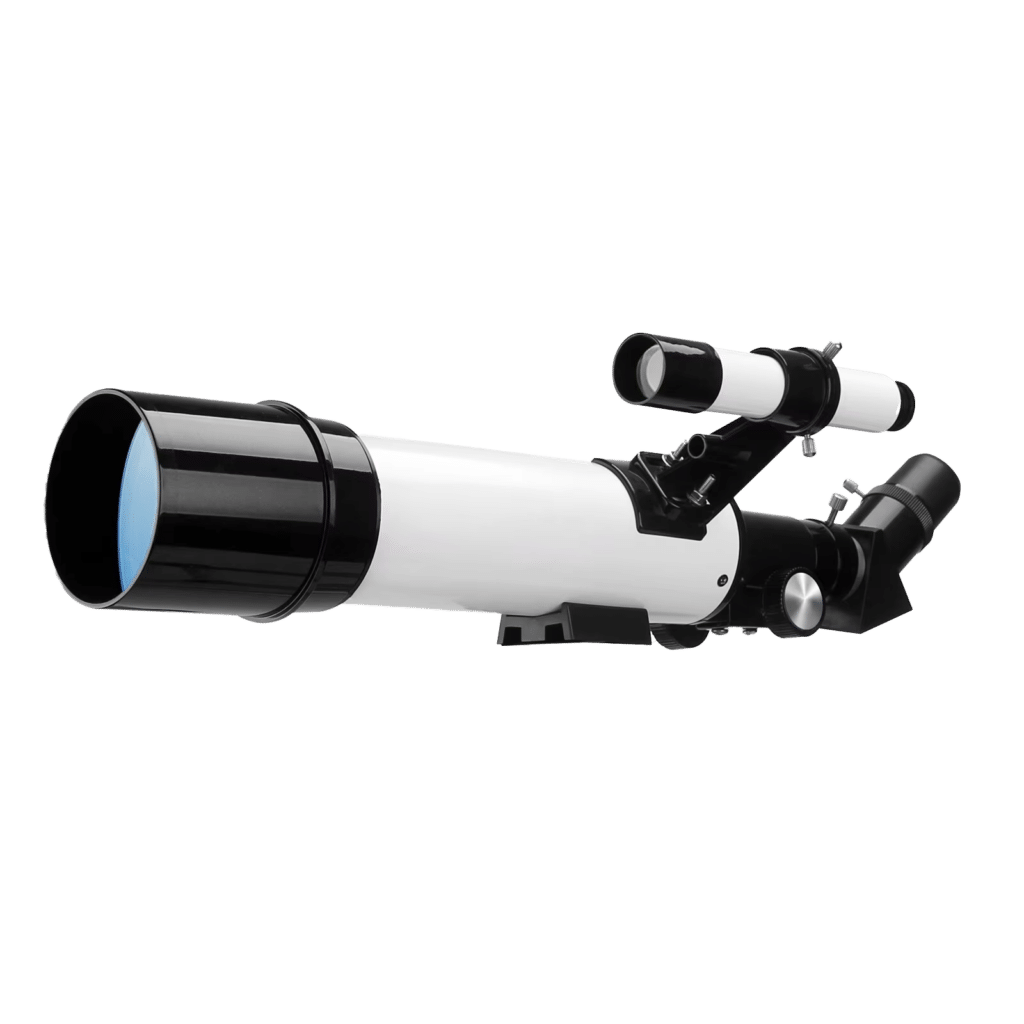
The CosmoXper V2 Telescope For Astrophotography stands out as our top pick for astrophotography, combining professional-grade optics with user-friendly features 🔭.
Its 60mm aperture and 400mm focal length deliver exceptional clarity and brightness, making it ideal for capturing detailed celestial images.
The telescope’s advanced multi-coated glass elements ensure superior light transmission, while the metal focusing mount with brass ring clamp provides precise adjustments 🎯.
The IPX6 water resistance rating makes it suitable for various weather conditions, adding to its versatility.
What truly sets this telescope apart is its comprehensive design approach, featuring a comfortable 45° viewing angle and stable aluminum alloy tripod that extends to 1080mm ⚡.
The inclusion of professional-grade features while maintaining an intuitive design makes it perfect for both beginners and experienced astrophotographers.
The precision focusing system and weather-ready durability ensure consistent performance, while the portable stability allows for easy transport and setup anywhere 🌟.
The CosmoXper V2 excels in delivering professional-quality astrophotography capabilities while remaining accessible to users of all skill levels. Its combination of durability, precision, and user-friendly features makes it an outstanding investment for anyone serious about celestial photography. DISCOVER NOW!
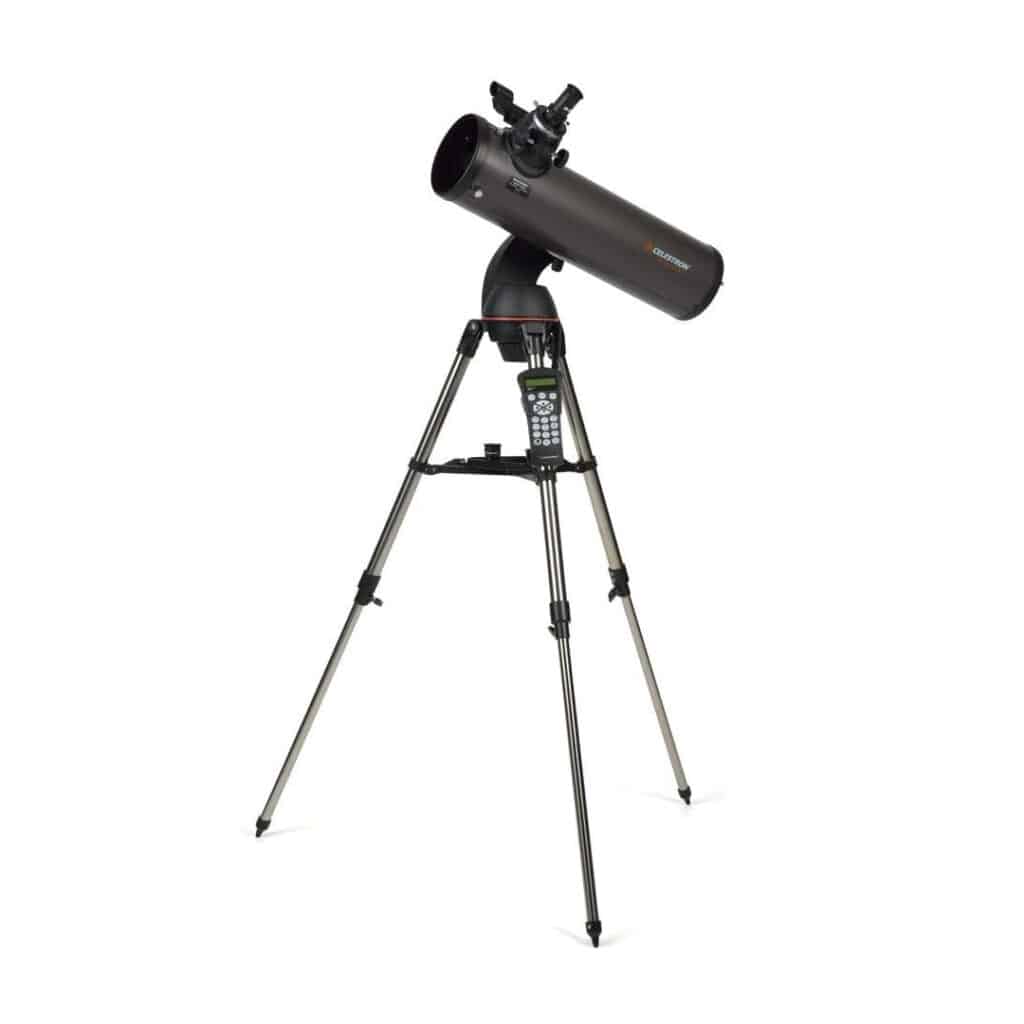
Celestron Telescope For Astrophotography represents a significant advancement in automated stargazing technology. With its database of over 4,000 celestial objects and computerized star-locating system, it offers unprecedented ease of use for astrophotography enthusiasts.
The compact and portable design makes it ideal for weekend astronomy trips, while its Newtonian reflector optical design with 130mm aperture provides excellent light-gathering capabilities. This combination allows for detailed imaging of planets, star clusters, and deep-sky objects.
What makes this model particularly appealing is its user-friendly interface and included Starry Night software, which helps users plan their imaging sessions effectively. The telescope’s robust construction and precise tracking capabilities ensure stable, long-exposure photographs.
The integration of modern technology with traditional telescope design principles creates a versatile tool that grows with the user’s skills.
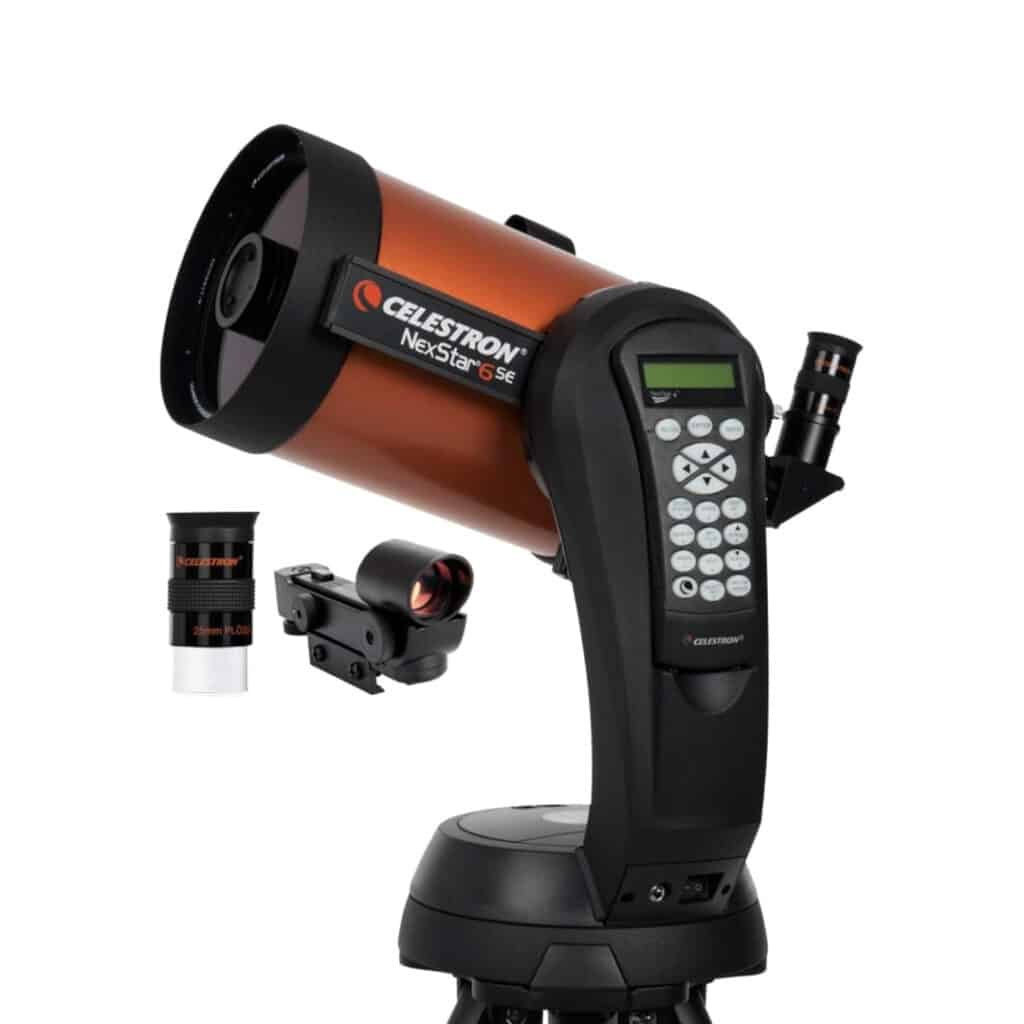
The NexStar 6SE combines legendary Schmidt-Cassegrain optics with modern features in its iconic orange tube design. The 6-inch aperture provides impressive light-gathering ability, making it excellent for both planetary and deep-sky photography.
The fully-automated GoTo mount with its database of 40,000+ celestial objects makes target acquisition effortless. This feature is particularly valuable for astrophotography, where precise tracking is essential for long exposures.
Setup and alignment are straightforward thanks to the built-in SkyAlign technology, while the compact form factor makes it surprisingly portable despite its capabilities. The telescope’s versatility is enhanced by its compatibility with StarSense and SkyPortal WiFi.
The combination of optical quality and modern features, backed by Celestron’s reputation and warranty, makes this an excellent choice for serious astrophotographers.
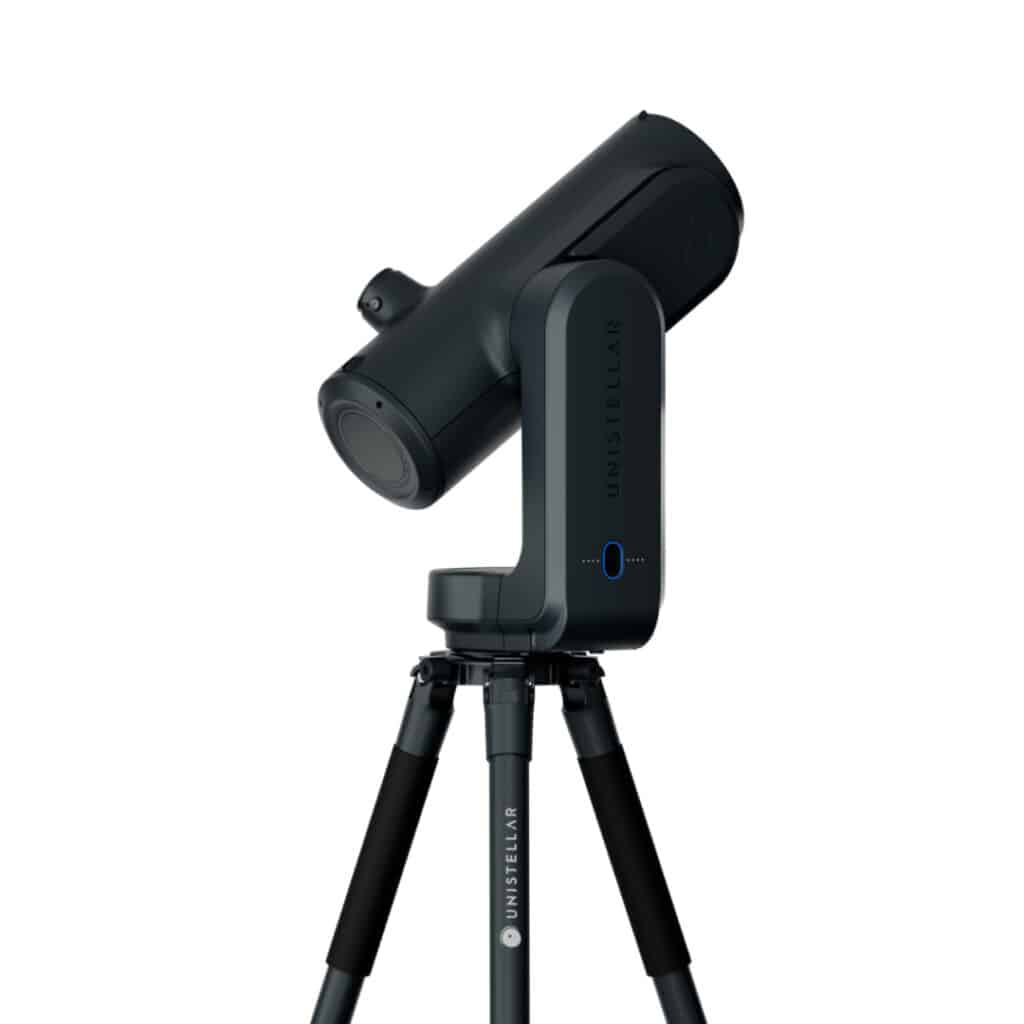
This smart telescope revolutionizes the astrophotography experience with its unique eyepiece design and advanced digital capabilities. It provides an unprecedented level of automation and ease of use for capturing celestial objects.
The ability to seamlessly transition between various astronomical targets, from galaxies to nebulae, makes it an excellent choice for those who want to explore different types of astrophotography. Its smart features help reduce the learning curve typically associated with astronomical imaging.
The integration of modern technology with traditional telescope functionality creates a unique hybrid that appeals to both tech-savvy users and traditional astronomers. The telescope’s automated features don’t compromise image quality.
The focus on user experience and functionality makes this an excellent choice for those who want to minimize technical complexity while maximizing imaging results.
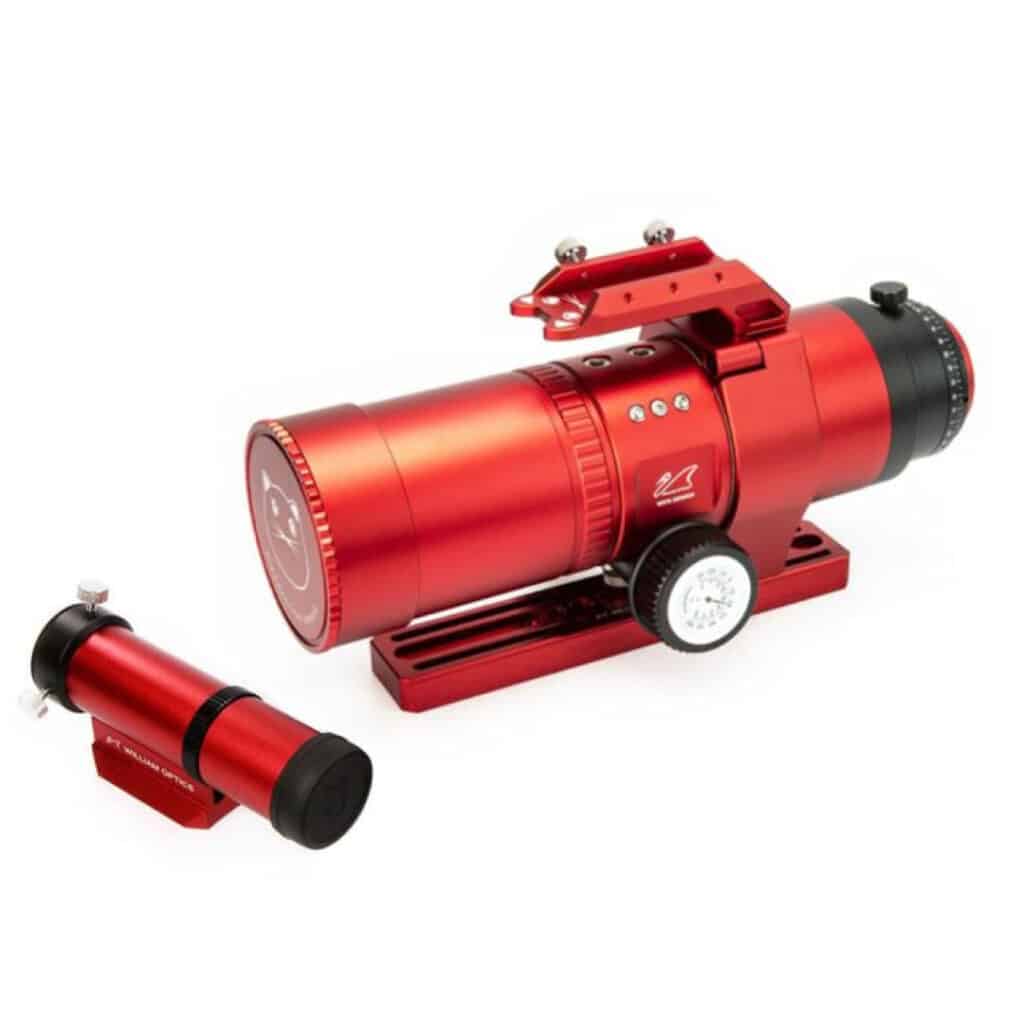
The William Optics RedCat 51 offers a specialized approach to astrophotography with its internal focusing design and Petzval optical configuration. Its innovative WIFD apparatus allows for automated focusing, a crucial feature for precise imaging.
This telescope’s high-quality optics and robust construction make it particularly suitable for advanced astrophotographers who demand premium performance. The internal focusing system prevents vignetting and improves weight distribution.
The inclusion of a tilt adapter for camera alignment demonstrates attention to detail in design, allowing for sharp focus across the entire frame. This feature is particularly valuable for wide-field astrophotography.
The comprehensive package of accessories and features makes this telescope a serious tool for dedicated astrophotographers looking for professional-grade results.
A telescope for astrophotography is a specialized optical instrument designed specifically for capturing detailed images of celestial objects. Unlike regular telescopes, these models feature additional components and capabilities that make them suitable for long-exposure photography of stars, planets, nebulae, and galaxies.
These telescopes typically include precise tracking mechanisms, stable mounts, and high-quality optics that allow for clear, sharp images of astronomical objects. They often incorporate advanced features like computerized tracking and auto-focusing systems.
By Noah Bishop - Research Specialist
After years of dedicated research and thorough examination of tech gadgets and tools, Noah has immersed himself in the realm of technology, acquiring extensive knowledge. Explore his expertise showcased in our prestigious Top 5 series.
© 2024 TrustedBestPick. All rights reserved.
Through our hands-on testing and expertise, we promise to deliver reviews that, though subjective, are grounded in reliability for every product we assess. Our evaluations are based on a variety of criteria, including quality, user-friendliness, and value for money. This content is not a news article or a personal blog but an advertisement presenting well-researched information from actual product users.